Director, Experience Strategy & Research
Navigating Uncertainty to Unlock New Opportunity
Leveraging Human-Centered Design to drive clarity, speed, and measurable results in times of change
In 2020, Ginkgo Bioworks launched Concentric, a new business unit addressing urgent COVID-19 response needs. Applying human-centered design, the team rapidly adapted biotechnology platforms to support national testing initiatives and scaled operations from pilots to nationwide adoption—processing millions of diagnostic samples under extreme time pressure.
This swift response enabled schools and communities to reopen safely and reinforced the company’s ability to innovate at scale, fueling growth and culminating in Ginkgo Bioworks’ IPO in 2021.
Assumption
Data on startup growth patterns shows that businesses often experience rapid expansion within condensed timelines. Leveraging these insights, I assumed Concentric would undergo significant transformation, surpassing its current capacity while testing business viability.
This assumption formed the foundation for the strategies I designed in this engagement.
Stage of Startup Growth
Slingshot.io
Opportunity
In anticipation of the Test and Growth stages Concentric was likely to encounter, my recommendations centered on strategies to prepare for and mitigate potential operational disruptions during periods of rapid change.
Strategies for applying human-centered design included:
• Crafting short-term results that compound into long-term gains
• Fostering a resilient mindset and skillset to embrace uncertainty
Problem Statement
How might we use Human-Centered Design to scale Concentric sustainably while navigating uncertainty?
Role & Responsibility
Role
• Human-Centered Design Leader
• Experience Strategist
• Hands-on Product Designer
• UX Research Lead
• Product Management Partner
• Customer & User Advocate
• Design/Brand Steward
• Change Agent & Growth Catalyst
Responsibility
• Defined & Built MVP
• Led Design Thinking & Workshops
• Built Design & Research Practice
• Implemented Continuous Learning
• Coached & Mentored Teams
• Launched Design Systems
• Streamlined Product workflows
• Increased Design Maturity
My Strategy
Dual-Track Innovation
TRACK 1
Today: Strengthen the Business
Stage 1: Demonstrate Design Value
Stage 2: Build, Test, Learn
TRACK 2
Tomorrow: Prepare for the Unknown
Stage 3: Align Product Organization
Stage 4: Shift Org Mindset + Skillset
Outcomes
Drove Evolution of Design Maturity
flag
STAGE 1
Demonstrated Design Value
flag
STAGE 2
Built, Tested, learned from MVP
flag
STAGE 3
Aligned Product Organization
flag
STAGE 4
Shifted Organizational Mindset + Built Skillset
Output
Key:
arrow-progress
Process:
laptop
Product
people-group
Management
people-group
Stage 0 — Baseline:
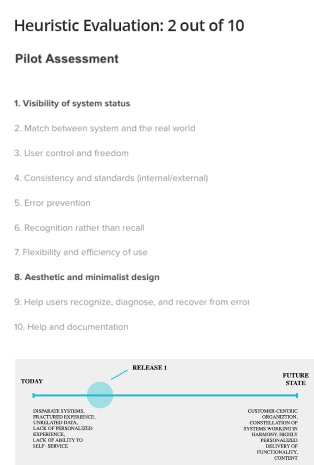
Established the current state of UX maturity by assessing leadership priorities, team skills, and product experience. Identified business goals, user needs, and evaluated the product against usability heuristics (scoring 2/10).
BUSINESS
Week 1:
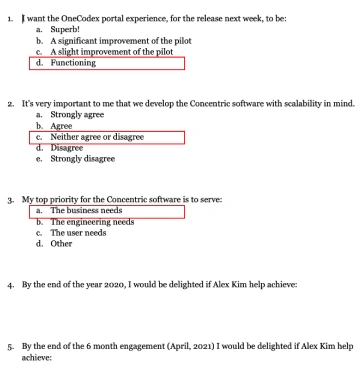
Asked the Senior Leadership 5 questions.
PRODUCT
Week 1:
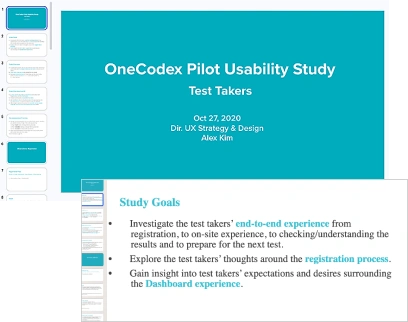
Assessed product experience and heuristics
BUSINESS
Baseline Assessment:
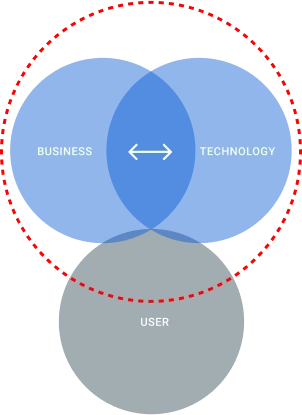
Low UX Maturity
PRODUCT
Baseline Assessment:
Low UX Maturity
laptop
Stage 1 — Foundation:
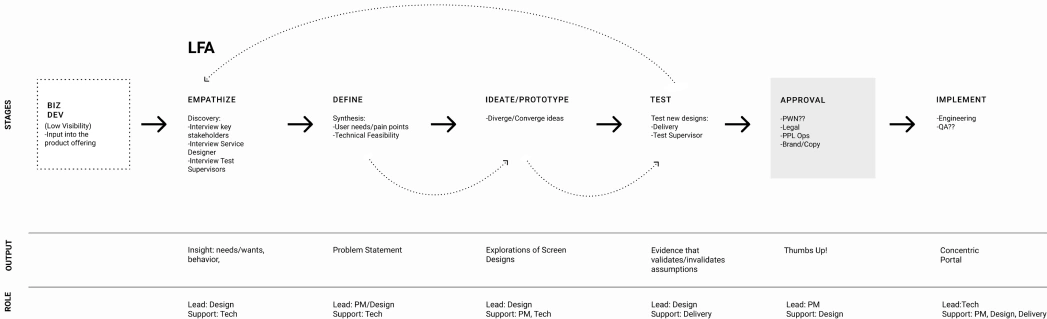
Established team workflows and design standards that strengthened product team capability and ensured consistent delivery. Delivered core assets—including a design system, pattern library, usability guidelines, and UX writing standards—that reduced rework by 1/2 and improved delivery speed.



laptop
Stage 1—MVP & Continuous Improvement:
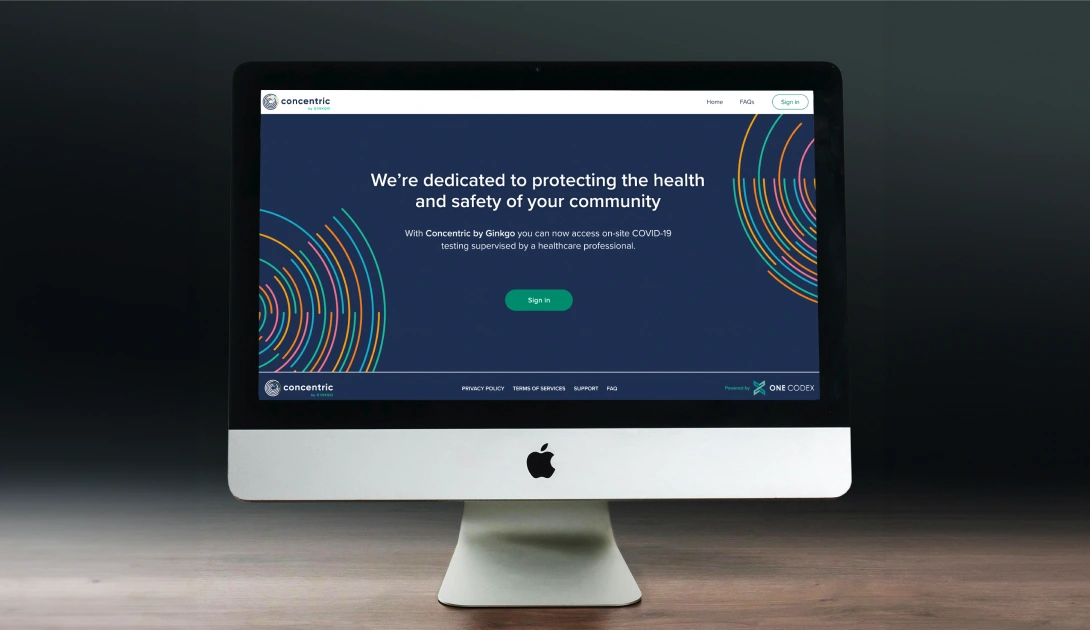
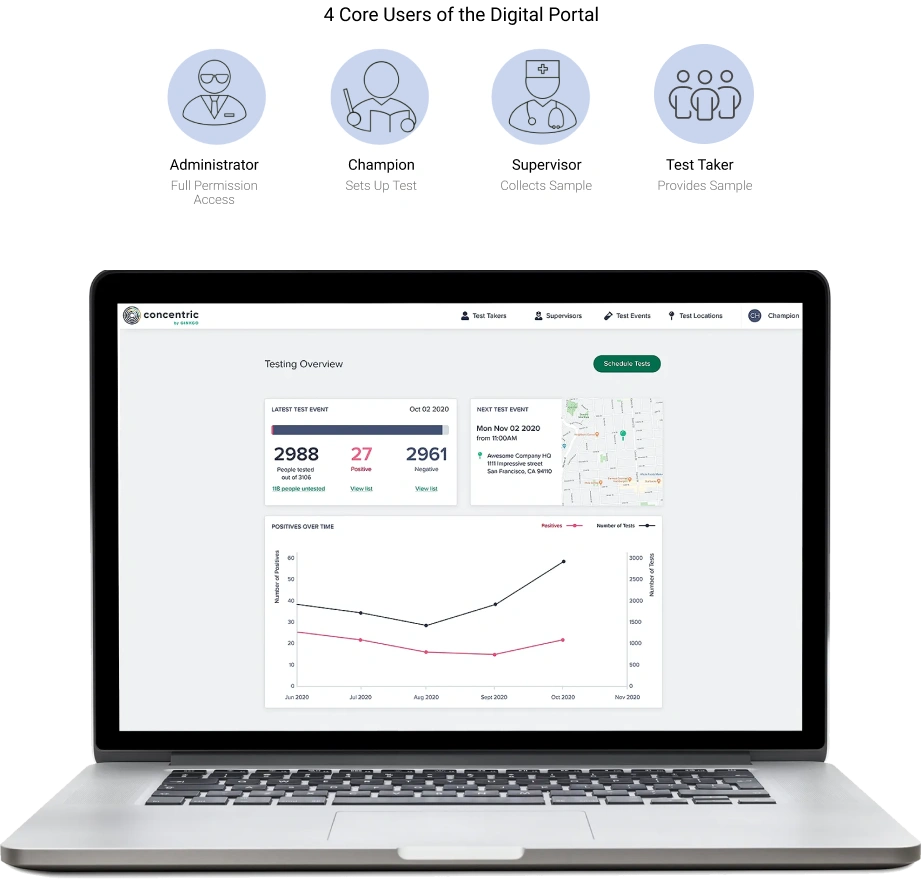
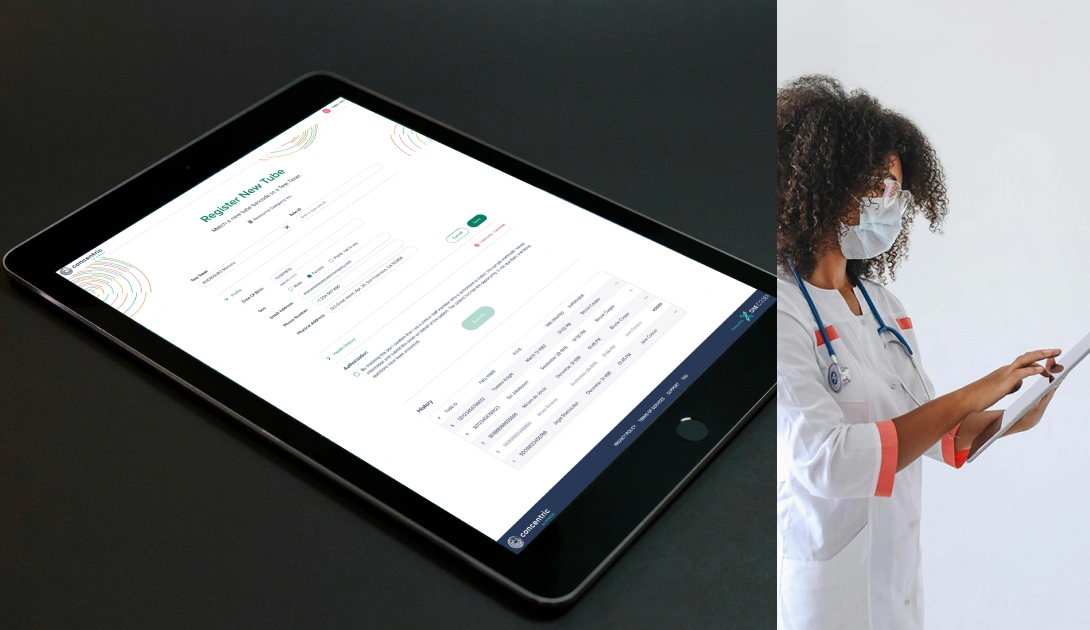
Designed and launched core functionality to meet users’ immediate needs, enabling rapid adoption of the digital portal with 80% of target users onboarded in the first 4 weeks. Measured results and captured insights, integrating them into the backlog to drive continuous improvement.
laptop
Stage 2 — Digital Product Expansion:
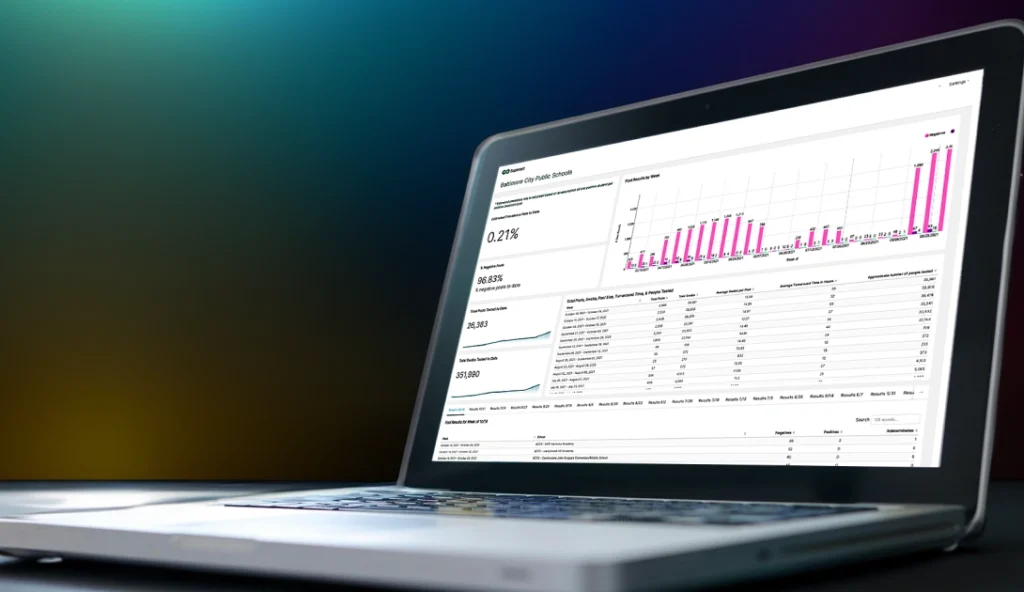
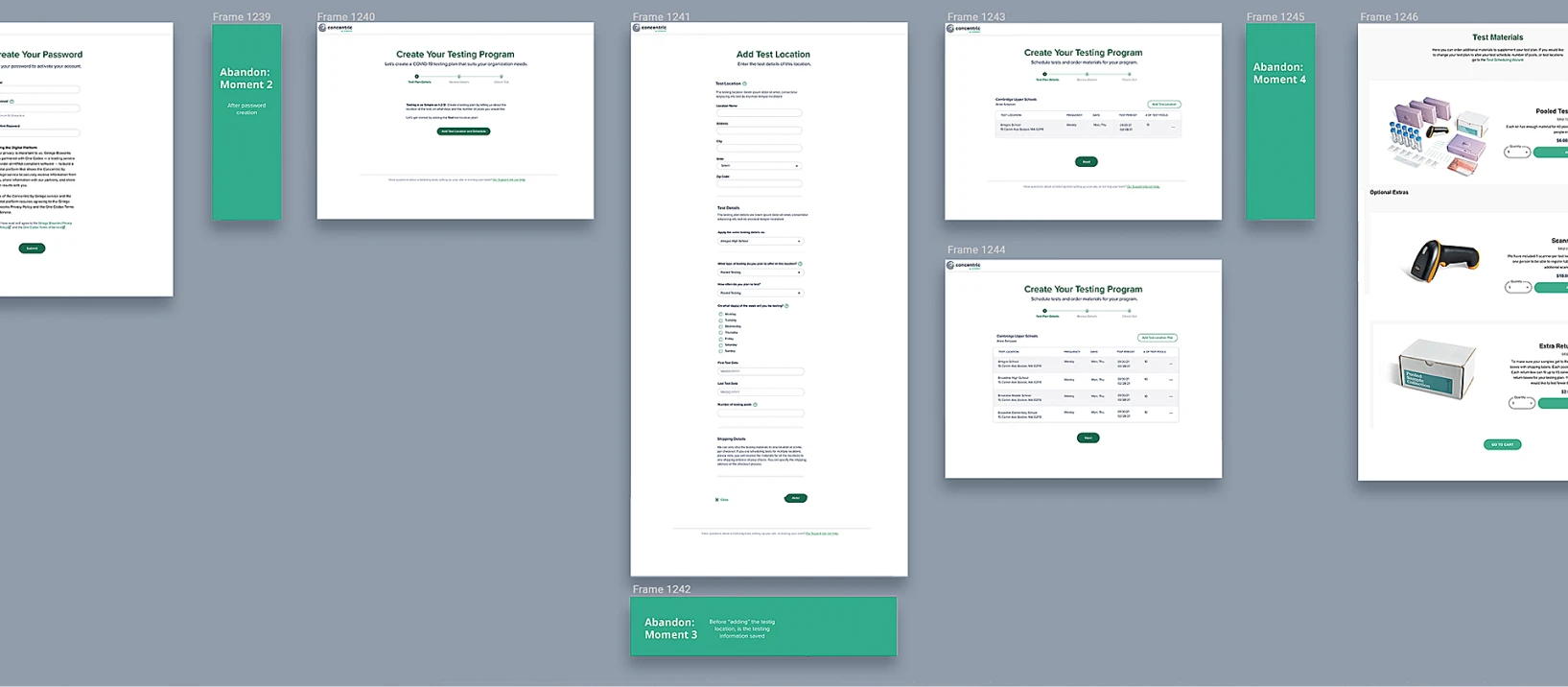
Revamped site architecture to enable a self-service model, reducing dependency on manual support by 75%+. Delivered upgrades that unlocked new partnerships with correctional systems and airlines. Introduced a Tableau dashboard that gave superintendents real-time visibility into operations, improving decision speed.
(NJDoC)
arrow-progress
Stage 3 — Team Efficiency:
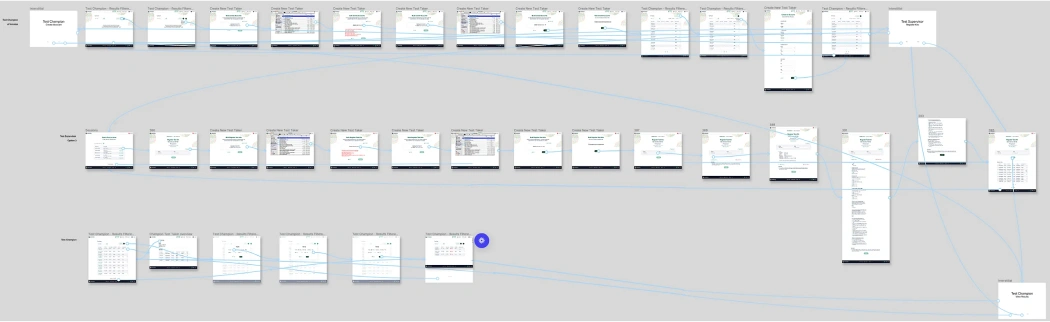
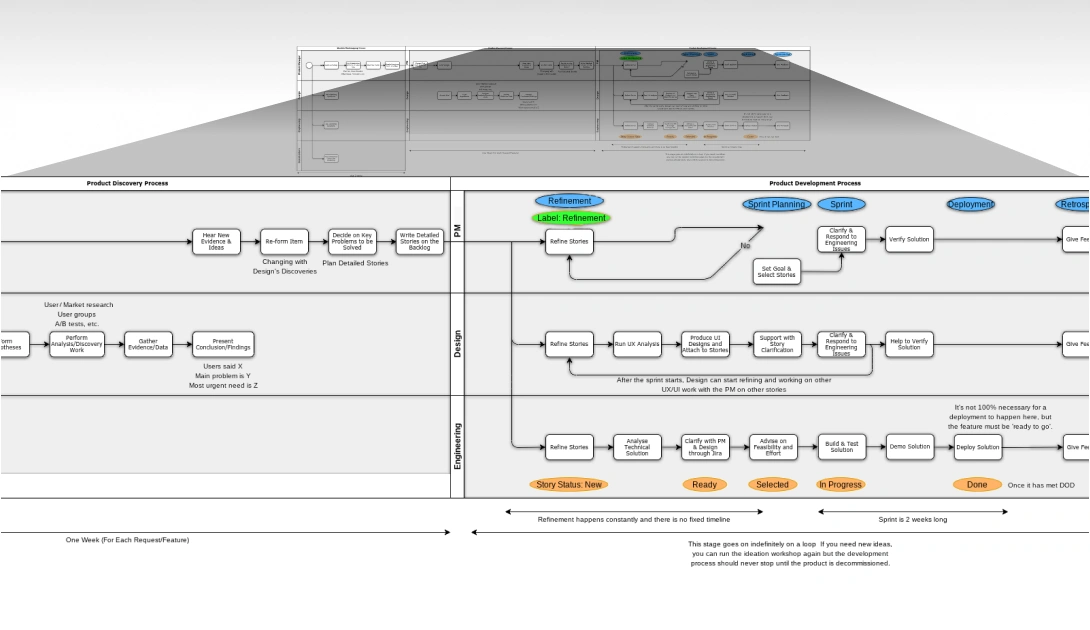
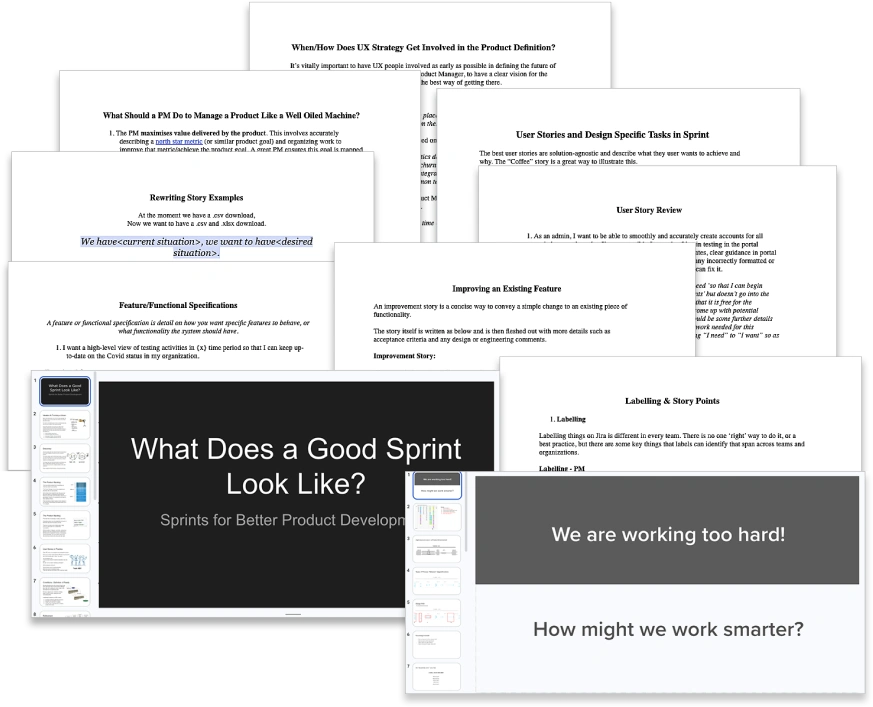
Devised workflows that optimized the product team’s capability from concept to execution, cutting delivery cycles by 25%. Coached the young team on Agile and UX best practices, enabling them to deliver repeatable, measurable outcomes and raise release speed.
people-group
Stage 3 —Intentional Growth of Product Team:
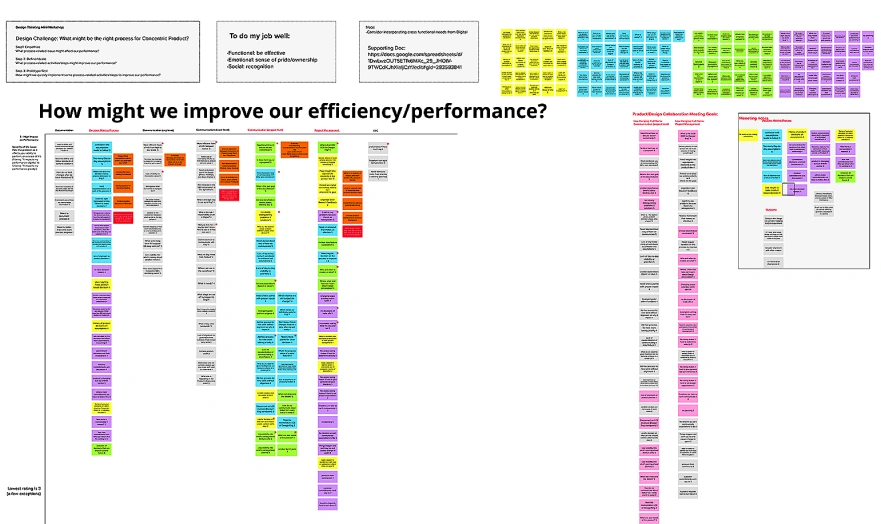
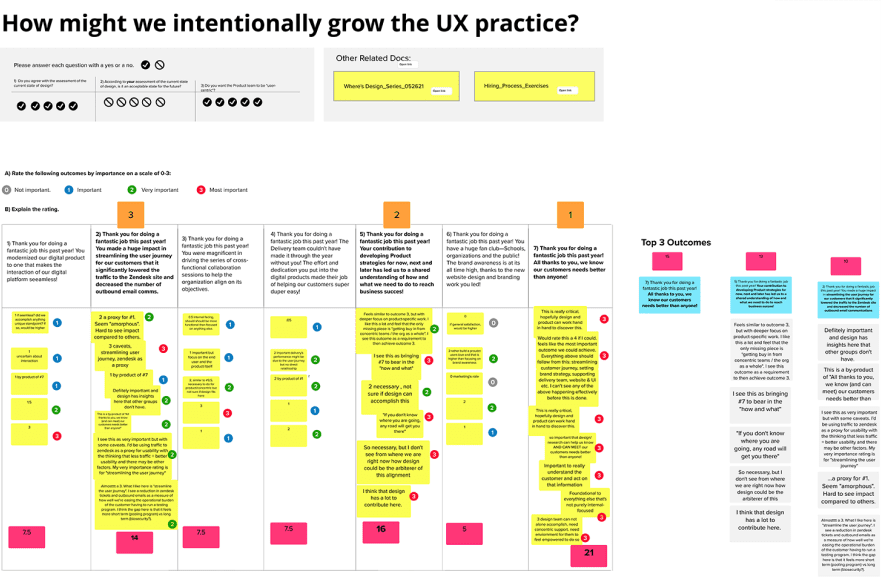
Applied Design Thinking to improve organizational efficiency, streamlining cross-functional collaboration and reducing rework by 1/2. Led workshops to identify skill gaps and expand the UX practice, increasing employee satisfaction and aligning growth with business goals.
arrow-progress
Stage 4—Mindset Shift:
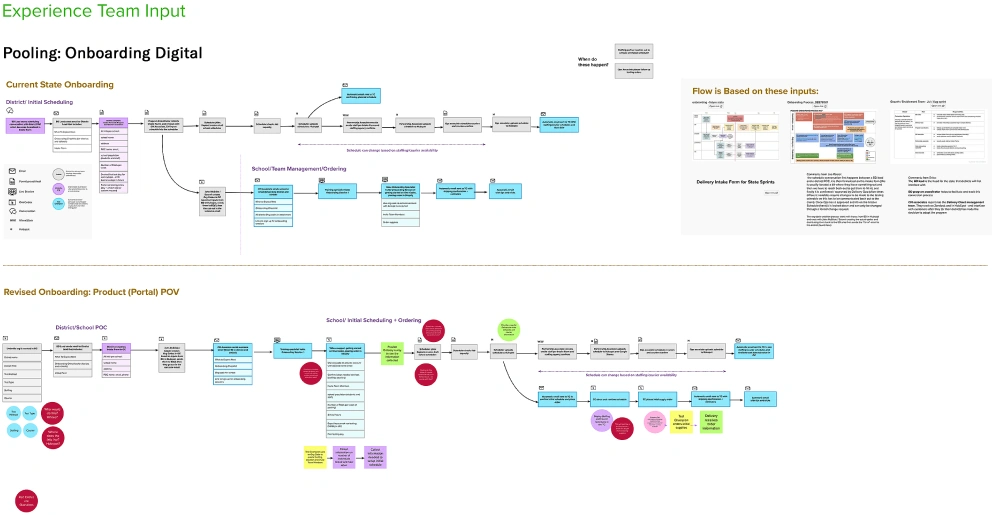
Drove cross-functional collaboration to design solutions around full customer and employee journeys, moving beyond siloed feature work. This shift fostered holistic experiences that improved satisfaction and strengthened alignment across business units.

people-group
Stage 4—The Future:
Applied Human-Centered Design as a driver of innovation and growth, delivering maximum value to customers while protecting public health. Positioned the organization to respond faster to future outbreaks, reducing potential risks and accelerating readiness.
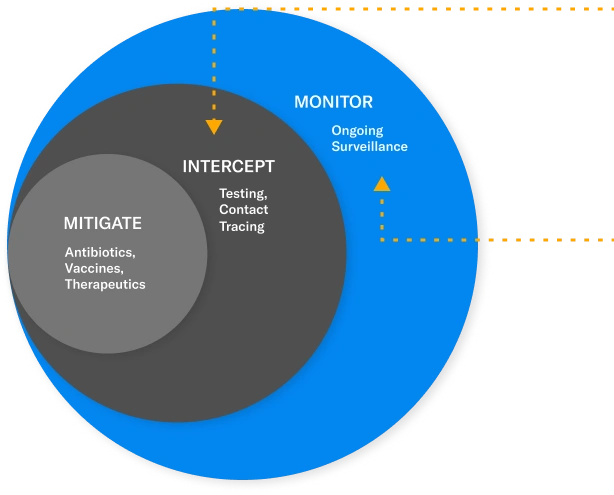
Today: Concentric provides public safety monitoring services through “Intercepting”, utilizing PCR and Pooled testing.
Tomorrow: Beyond the pandemic, the business seeks to transition into an ongoing surveillance model to prevent future threats to public health.
How might Concentric adapt and evolve the business post-pandemic?
Launched LX Initiative
Lean Experience
circle-1
Right Problem
for the user
circle-2
Right Solution
for the user
circle-3
Build it Right
for the user
circle-1
Right Problem
user-group
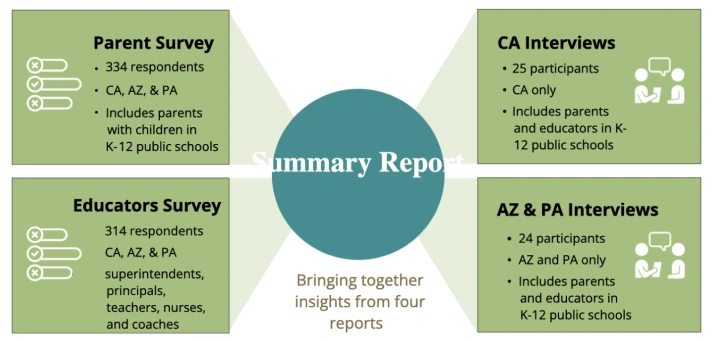
Led 2 teams of 15+ User Researchers; Daily dissemination of up-to-date significant data
angle-90
Solution Space Research
To equip the business with the insight needed to improve and evolve the current end-to-end experience offerings
frame
Problem-Space Research
To equip the business with the insights necessary to shape various strategies for future business opportunities
circle-2
Right Solution
user-group
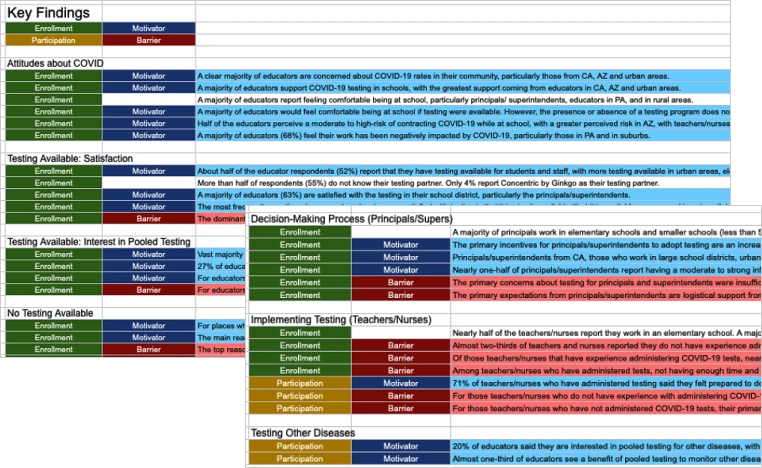
Led the efforts across multiple workstreams to analyze and interpret data effectively; Identified leading indicators for disruption and proactively addressing feature inflation.
circle-3
Build it Right
user-group
Led a multi-disciplinary team in planning and prioritizing activities to implement insights derived from research, using a user-centric framework to inform the product roadmap.
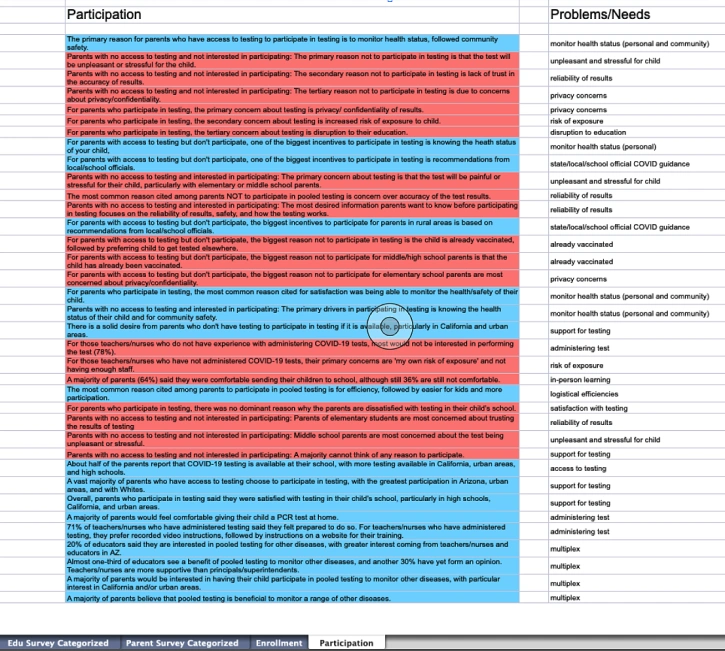
comment-lines
Response to the LX Initiative at the Product Offsite
… gives me a level of security knowing that we are planning ahead.
“…everyone is anxious for this, but until we create SPACE from reactive work, I’m not optimistic we’ll make progress…it feels like we’d talk about it, but then go back to reactive work after onsite.”
“…I think it is critical that Ginkgo finds a way to get ahead of the feature inflation.”
“…we have to be a fast strike force for deploying relevant critical changes fast in order to scale, reduce manual work on delivery and not hinder adoption.”
“…seems like it has the potential for the biggest impact for the organization (and I think is largely desirable)”
“…is hugely valuable and an important skill for us to have in our toolbox
“…we have a unique opportunity to align on a deeper level than we normally have while working remotely. I’d also hope that if we aim to align we will naturally do some learning and gain some relief along the way. Align!”
“…it would expose engineers to the earlier part of the process.”
“…reactive work is really hurting us at the moment”
“…we are wasting a lot of cycles releasing or partially implementing the “wrong” thing far too often. “
“…builds credibility and creates common ground for design and product to constructively work together… tangibly show how we can create value for the team”
“…bc tbh I feel like I don’t know what we’re going to be doing this coming summer given that pooled testing likely goes away.”
“…a good exercise to get the team to rally around the learnings we have.“
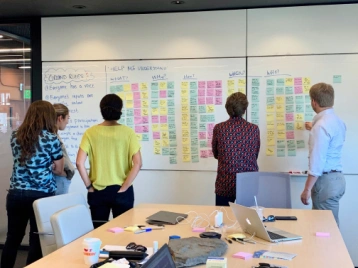
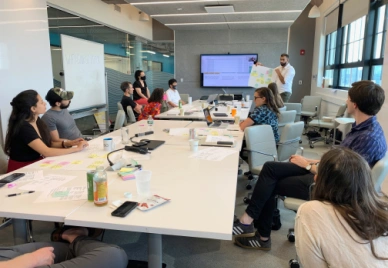
Democratized information + Built trust + Achieved alignment
Success Metrics
Key:
arrow-progress
Process:
laptop
Product
people-group
People

Raised usability standards — Improved product ratings from 2/10 → 8/10, driving customer satisfaction.
laptop
Strengthened collaboration — Built stronger PM/UX/Dev partnerships through early and frequent engagement.
arrow-progress
Accelerated delivery speed — Increased UX and Agile competency, reducing release lead times and enabling faster testing.
arrow-progress
Elevated design maturity — Advanced UX maturity by operationalizing research and design processes across disciplines.
arrow-progress
Scaled design capability — Grew UX & Research from 1 to 20+ team members, enabling enterprise-level delivery.
people-group
Enhanced business visibility — Raised product visibility by delivering innovative solutions that drove customer impact.
laptop
Improved efficiency and focus — Reduced feature bloat with hypothesis-driven testing and measurable results.
arrow-progress
Shifted leadership mindset — Embedded design thinking in leadership to unlock new business opportunities.
people-group
Delivered market-ready solutions — Launched digital offerings to meet rising demand and support self-service.
laptop
Boosted workforce engagement — Increased employee satisfaction through org-wide design thinking activities.
people-group
Improved customer experience — Strengthened self-service model with consistent cross-channel interactions.
laptop
Increased design influence — Secured more UX/Research time in Agile lifecycles, improving product outcomes.
arrow-progress
Barriers
Limited data on public attitudes and behaviors during the pandemic prevented rapid adaptation.
The pandemic’s unprecedented nature created a reactive workflow that slowed progress.
Constant shifts in business priorities resulted from unclear signals of the pandemic.
A high-velocity environment produced redundancies across teams and workstreams.
Organization’s superior scientific knowledge fostered an extended confidence in product development.
Key Takeaways
Designing for Change, Not Just Solutions
As Director of Experience Strategy and Design, I led cross-functional efforts during a time of organizational and market uncertainty. My focus was on embedding human-centered design not just as a delivery model, but as a strategic framework—helping teams navigate uncertainty with structure, intention, and purpose. This included developing experience strategies, shaping planning activities, and guiding execution across both customer and employee journeys.
Along the way, two critical dynamics emerged:
• People’s tolerance for change varied widely
• That variation directly impacted adoption & long-term success
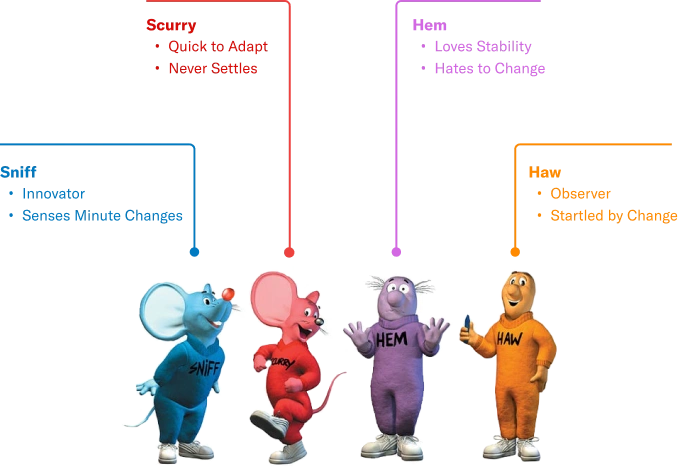
Responses differed across the organization. Some adapted quickly and were energized by transformation; others experienced fatigue, uncertainty saturation, or resistance. This mirrored Who Moved My Cheese?, where each character reflects a distinct response to disruption—from early action to avoidance.
Effective strategies alone did not ensure adoption; outcomes depended on how people experienced and engaged with change. This gap highlighted a common issue in design—focusing on what to change while overlooking how adoption happens. Structured change management, such as PROSCI’s methodology, raises the likelihood of success by 7x because it aligns with human behavior.
Recognizing adaptability as a leading indicator of long-term success, I pursued PROSCI certification to ensure teams could not only envision better solutions but also create the conditions for them to take hold.