
Design Strategist
Transition From Analog to Digital to Omnichannel
Future-proofing an E-commerce business through modernization of operations
In 2017, it was acquired by Cimpress, a global mass customization company providing personalized products. Drawing on Cimpress’ vast resources, technological capabilities, and industry expertise, National Pen was motivated to build out their digital presence. They initiated an MVP of the e-commerce site for three markets: the UK, Ireland, and Australia.
Challenge
In addition, one of the patterns that emerged from stakeholder interviews was their outdated mental model of e-commerce shopping behavior. Proactive stakeholder management is essential to the success of this project.
Solution
Demonstrated UX value early, frequently and consistently. I first tackled high-impact, low-effort UX activities. This approach provided quick insights into e-commerce customer needs, shifted the project's focus to the users, and helped gain trust and build consensus with stakeholders.
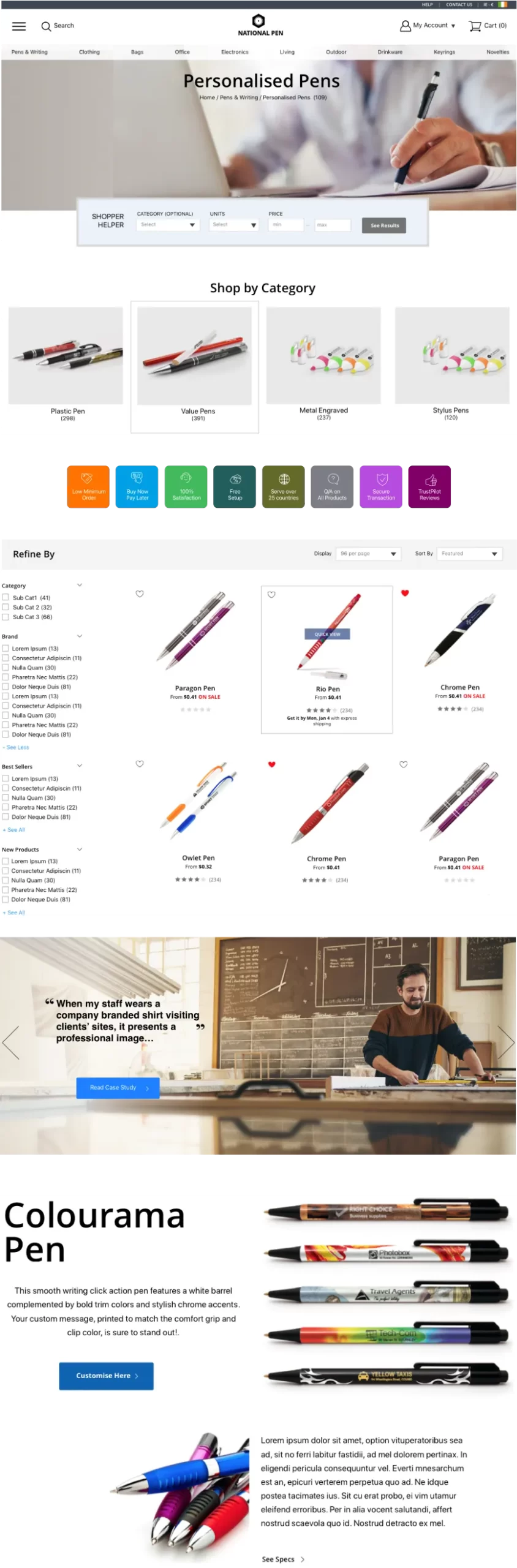
The website redesign addressed the top 3 biggest customer pain points and barriers within the sales funnel
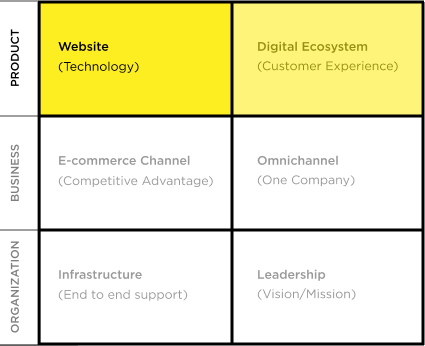
Furthermore, I implemented a framework to future-proof the e-commerce business by modernizing the operational infrastructure, addressing the root cause that impedes sustained long-term e-commerce growth.
My Approach
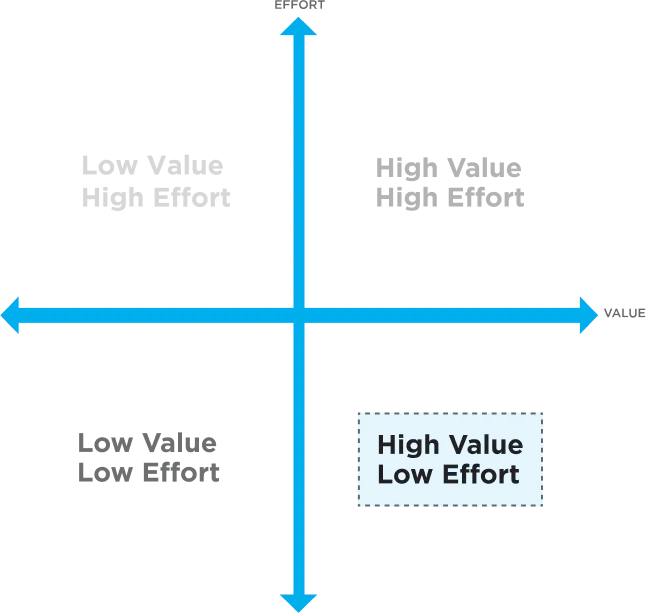
As the sole UX member on the project, with limited resources and time, my strategy was to tackle the low-hanging fruit items first as a starting point to identify the ‘right’ user problems, starting with:
- Secondary Research
- Competitive Analysis
- UX Heuristics Benchmark
- Card Sort Testing
- Customer Journey Mapping
Research
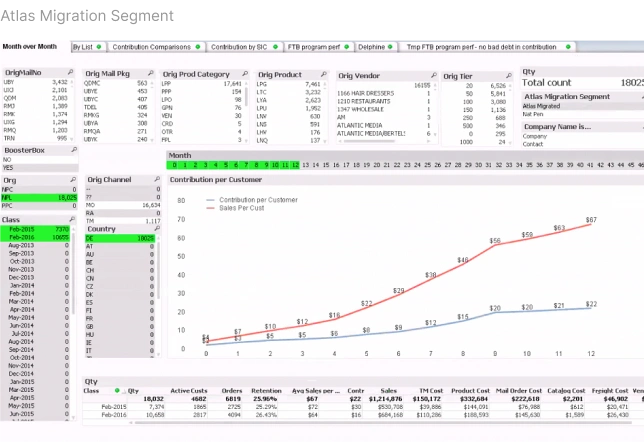
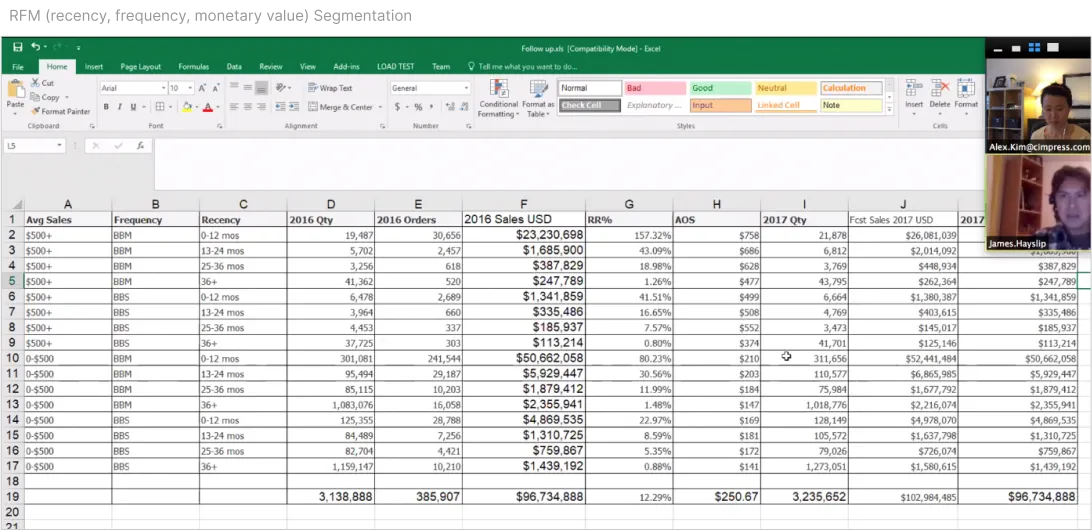
Secondary Research
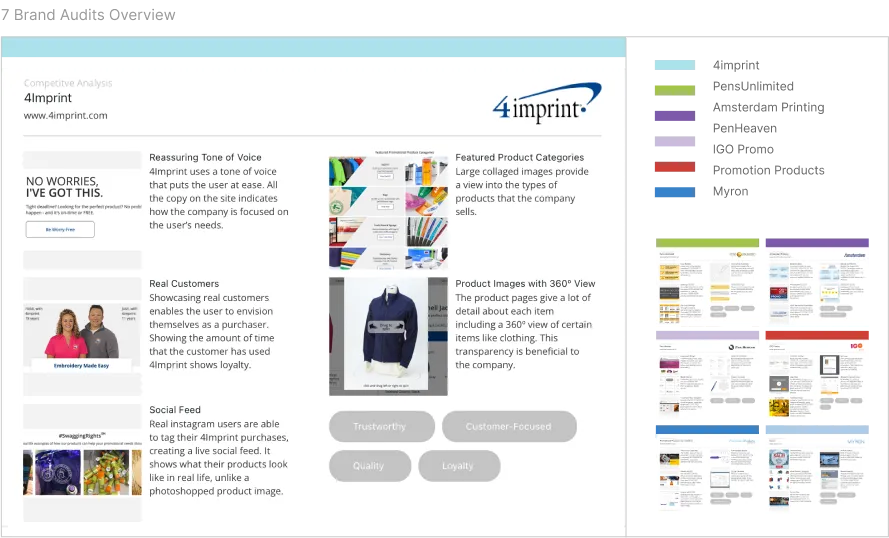
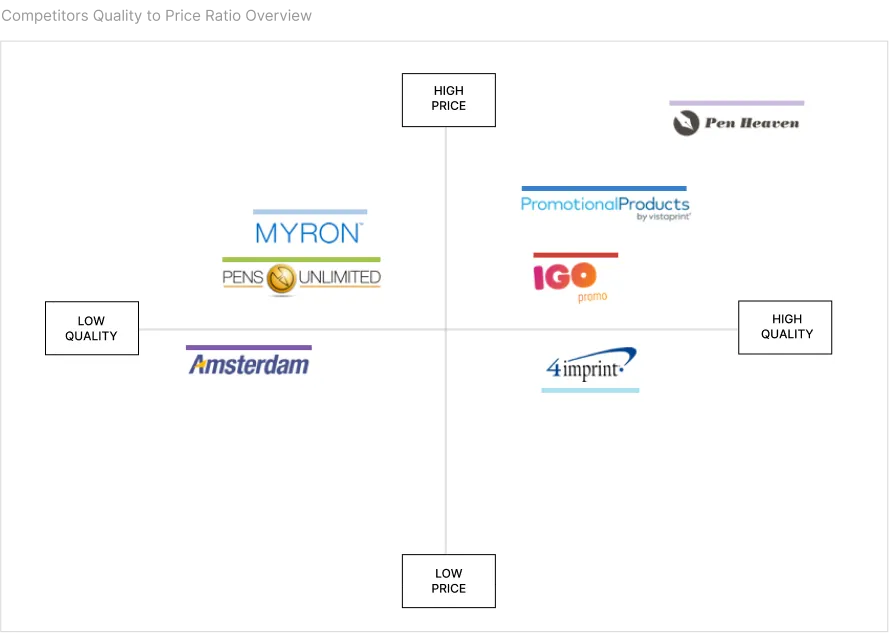
Competitive Audit
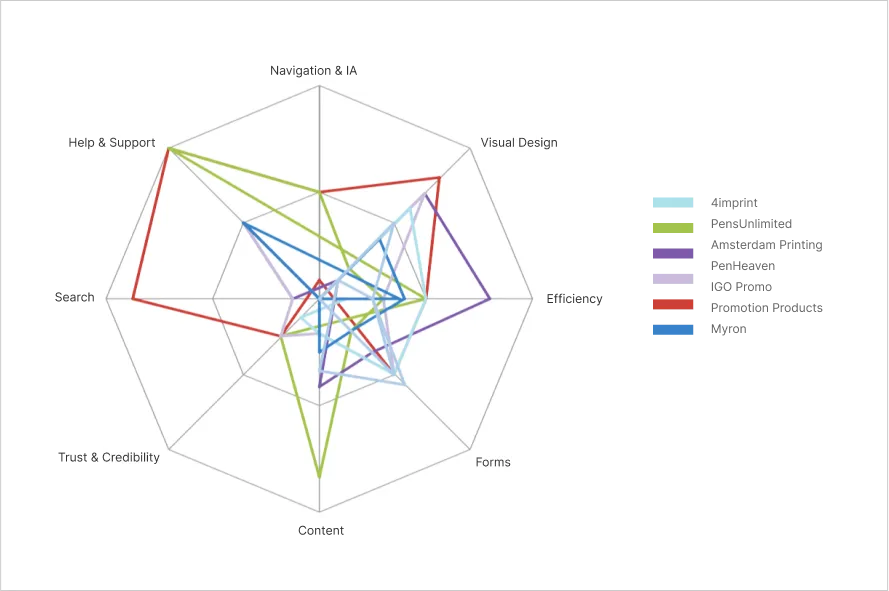
UX Heuristics Benchmark
Card Sort Testing
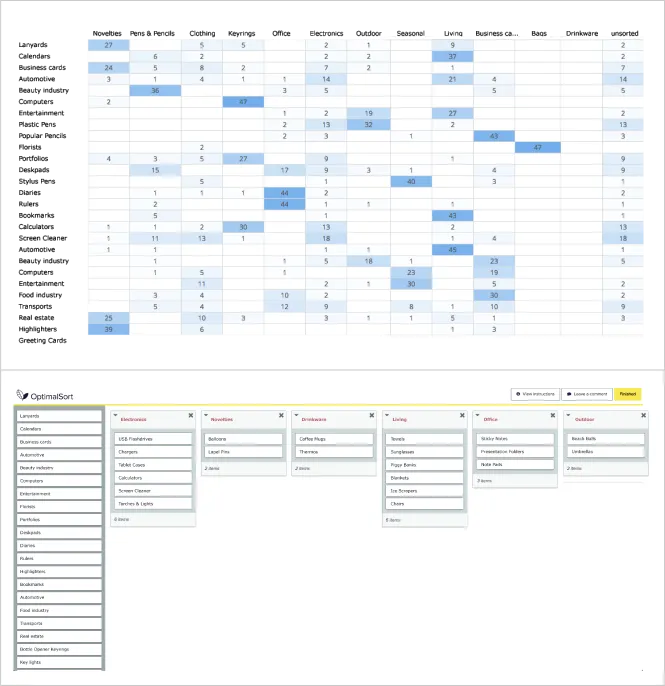
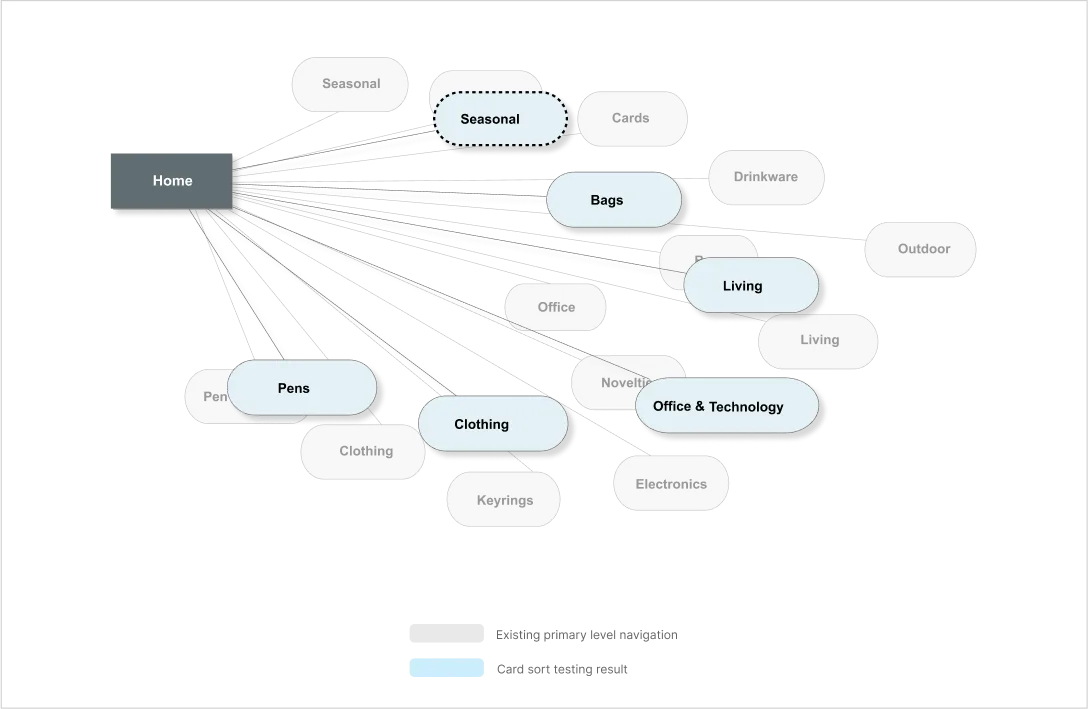
I conducted a series of card sort tests, closed and open, to clarify navigation labels and simplify the grouping of categories of products.
The results prompted the business to reevaluate the inventory of the 80% of products that generated only 20% of the revenue, applying the Pareto Principle which highlights that a small proportion of products drive the majority of revenue.
Customer Journey Mapping
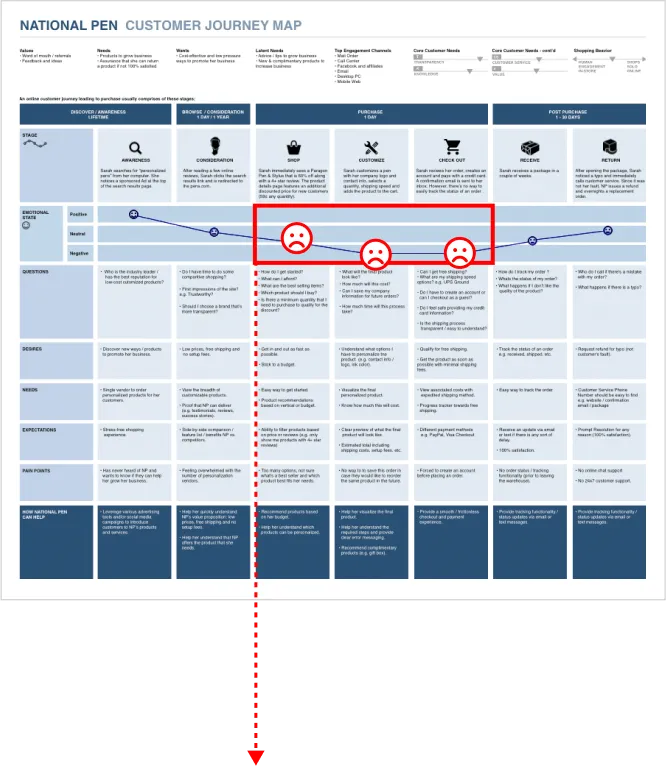
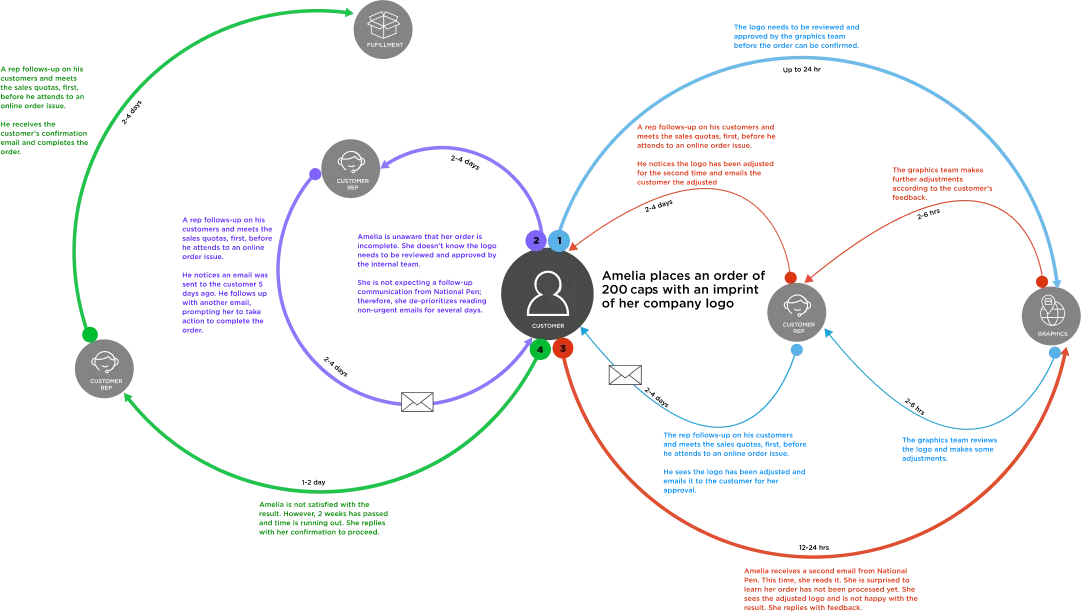
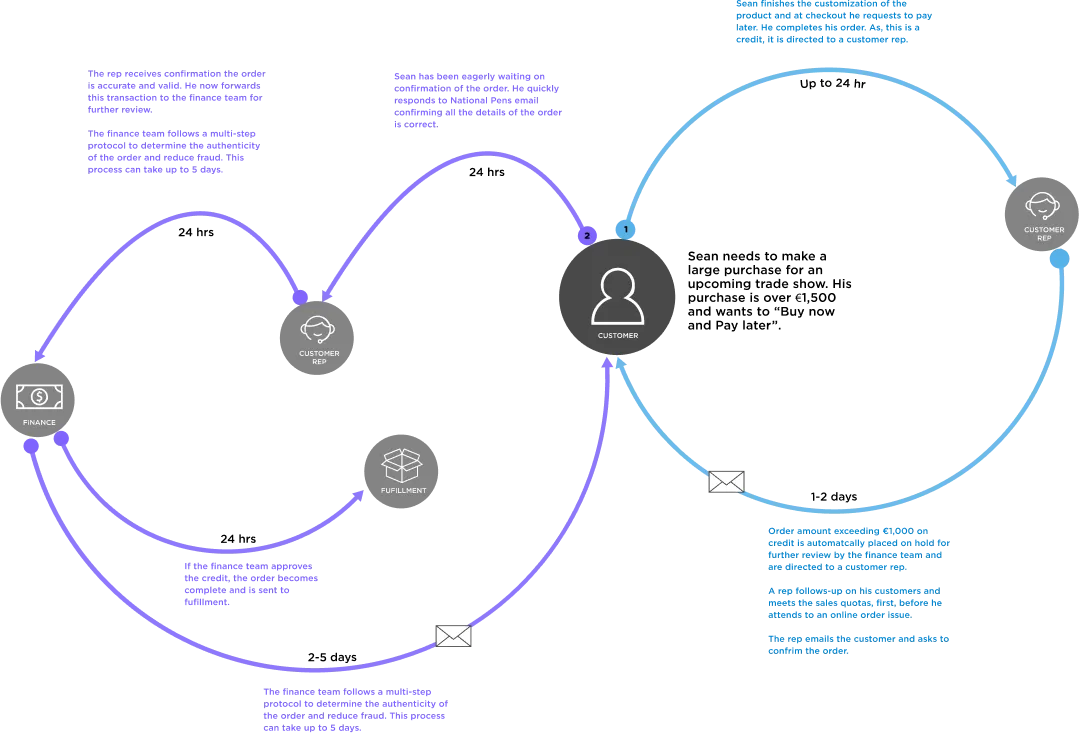
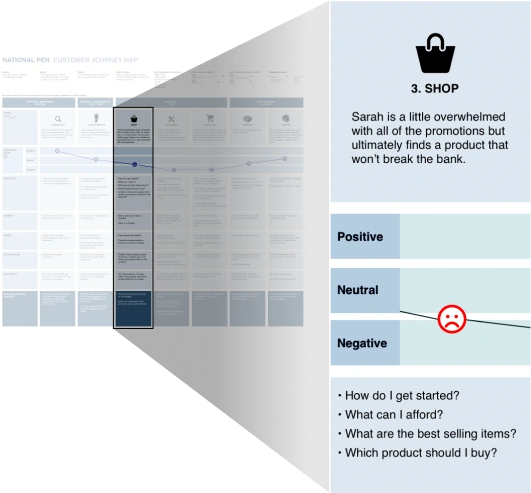
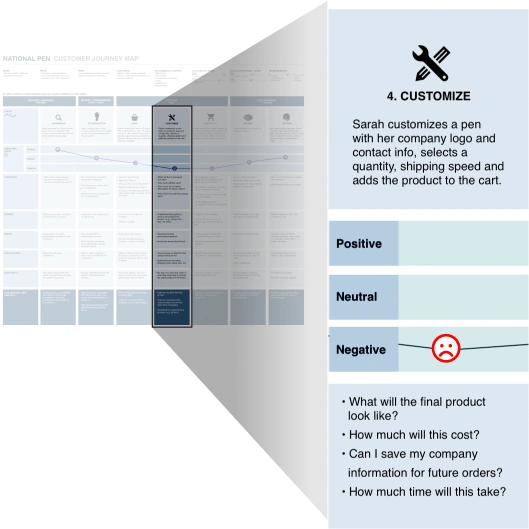
Led a workshop for the CEO and senior stakeholders, and from “their” POV, we composited a draft of the customer journey map.
3 pain points in the user journey on the website:
- Product Selection
- Product Customization
- Checkout


Information Architecture
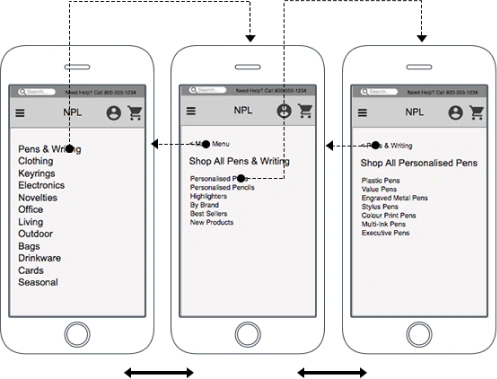
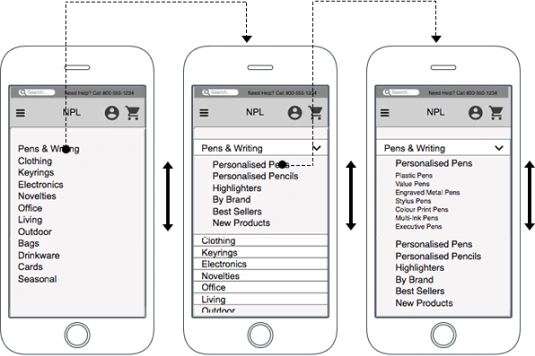
Simple Navigation
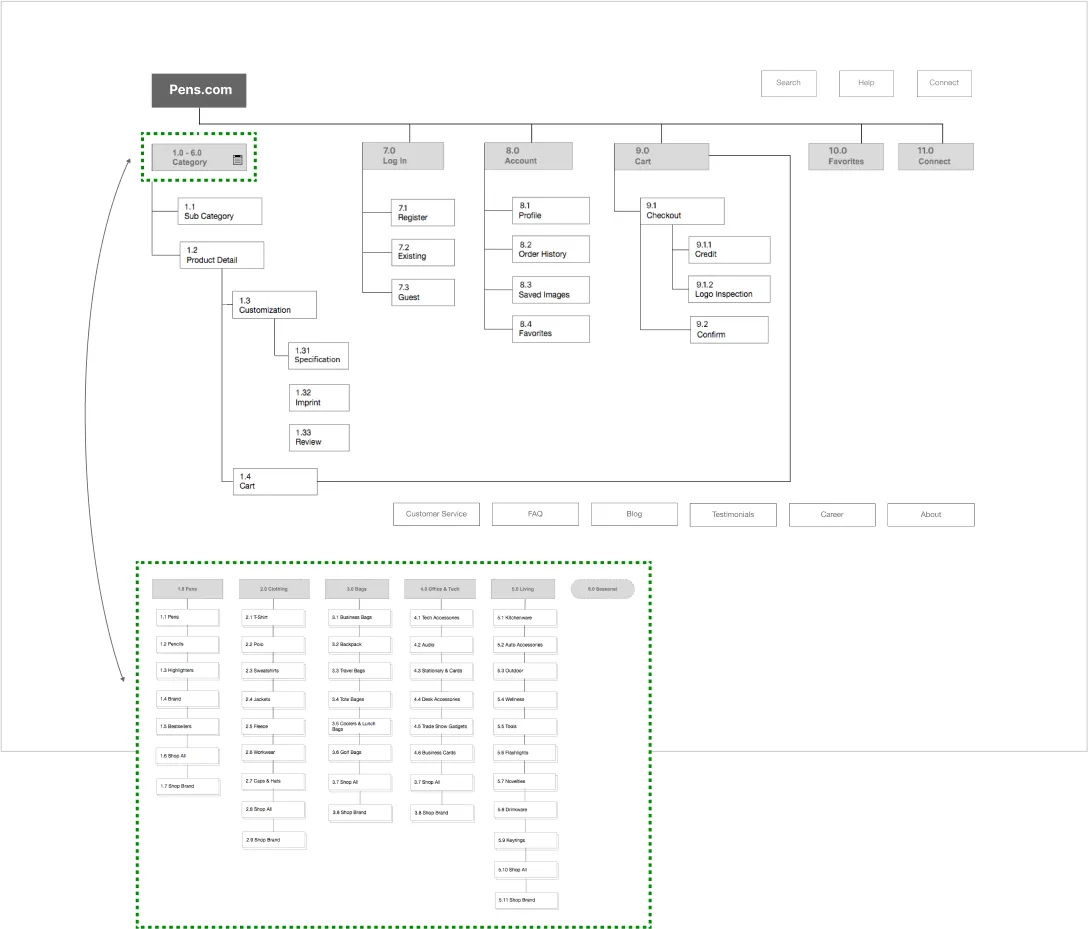
Flat Architecture
Mobile First
Design Exploration
Pain Point 1
Product Selection
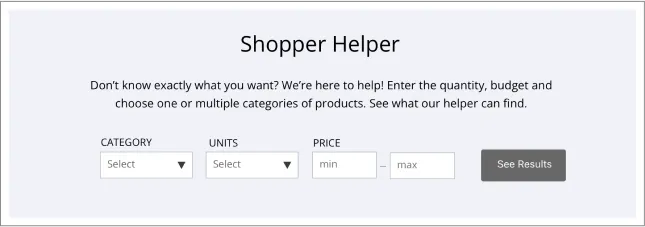
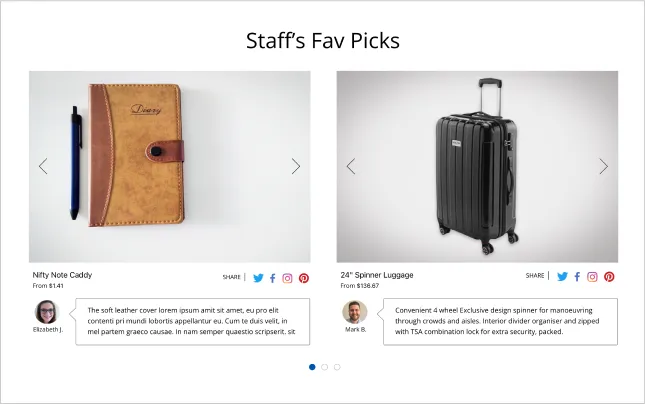
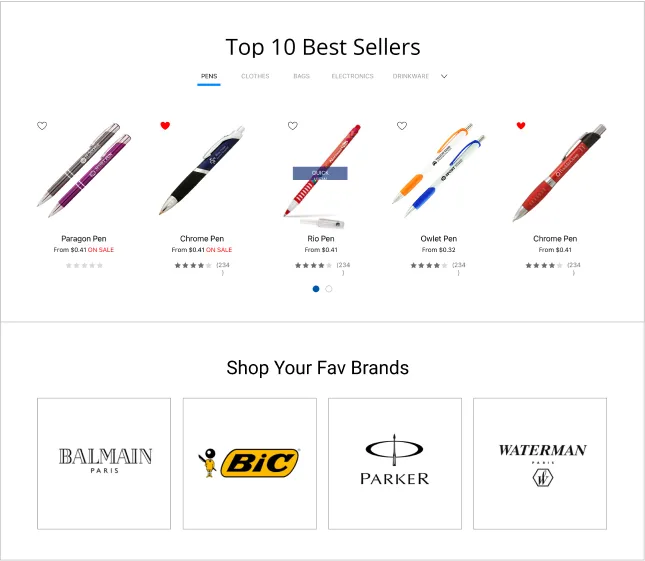
The product selection process is daunting for the user to search through 300,000+ unique SKUs.
To improve the selection process, I focused on improvement of:
- Findability
- Discoverability
Pain Point 2
Product Customization
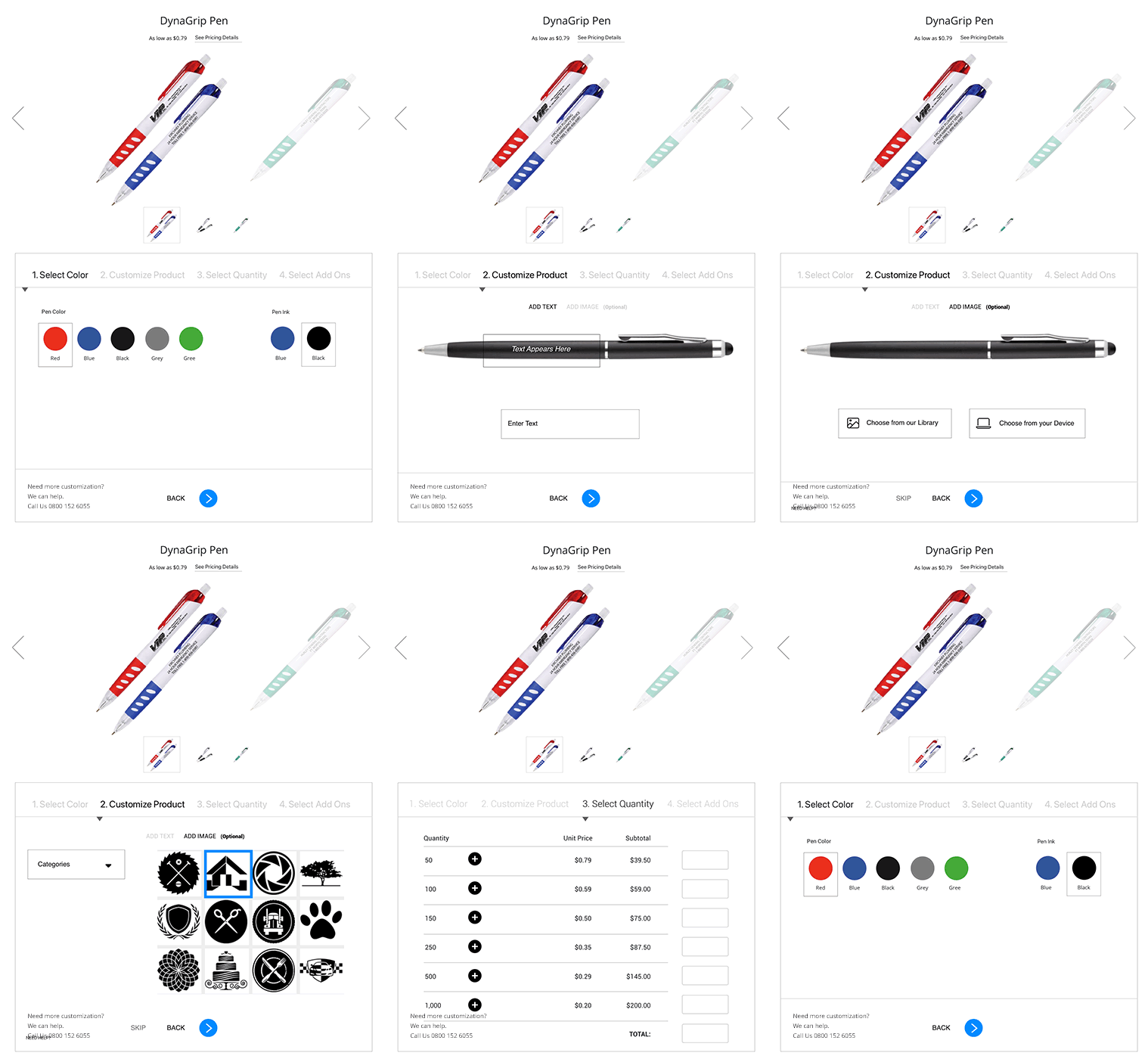
With an alarming abandonment rate of over 80% at this stage, my objective was to eliminate this critical pain point.
- For basic customizations, I’ve significantly reduced friction by implementing a simple and intuitive user interface.
- For complex customizations, we introduced a new service that handles them for users, available for a nominal fee.
Pain Point 3
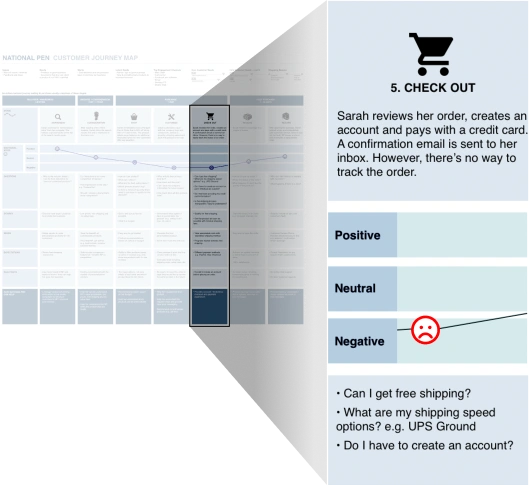
Checkout
The new checkout flow is transparent and intuitive, divided into multiple steps with progressive disclosure. Given the customer demographic’s major concern for security, the iframe payment form has been integrated to enhance security and address this concern effectively.
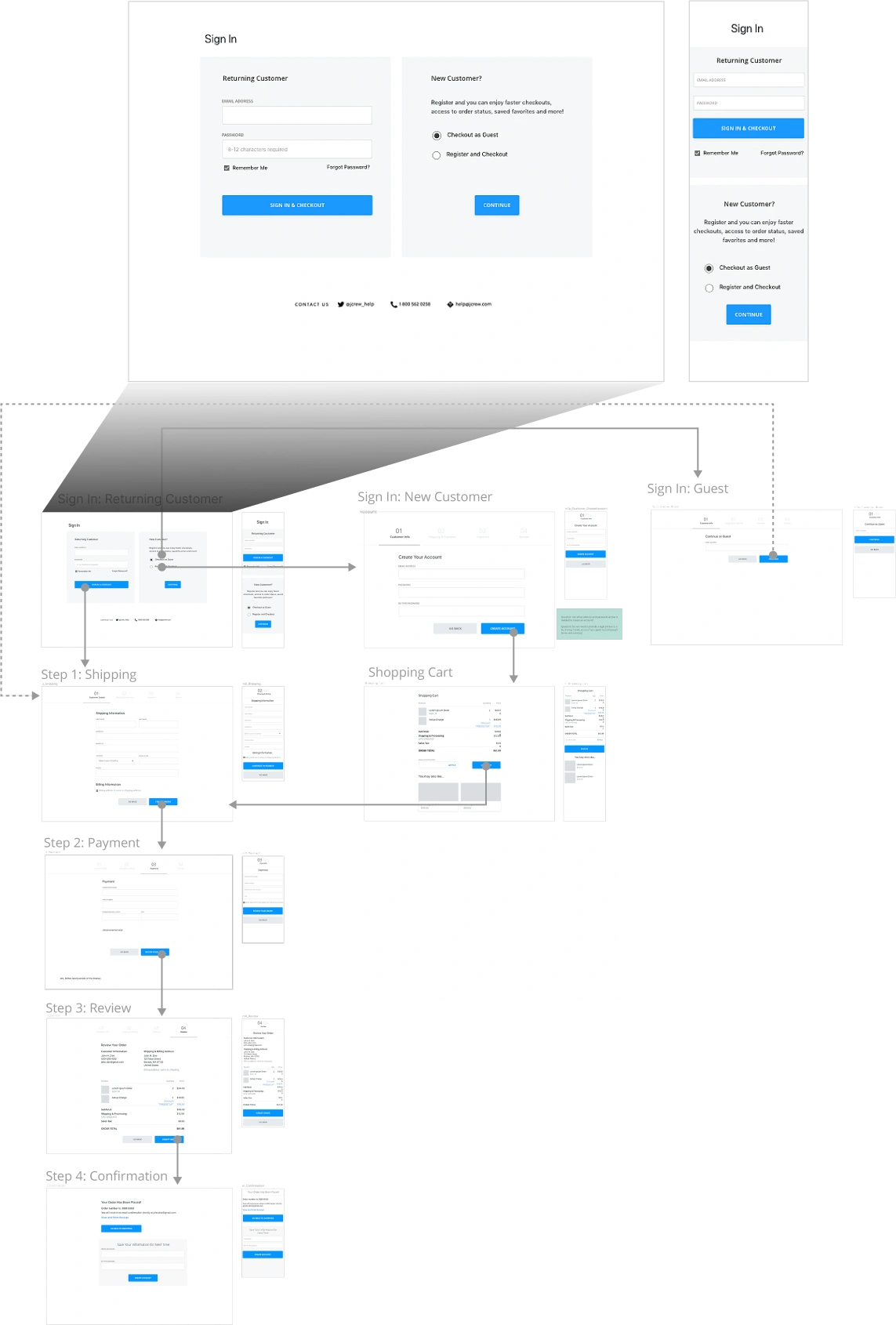
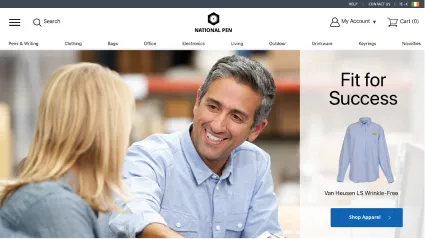
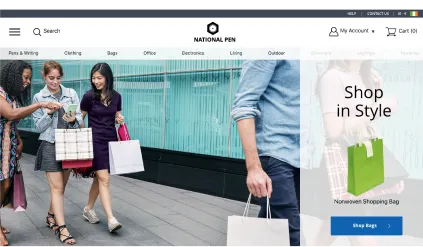
MVP Design
Future-Proof
E-commerce Mental Models

MVP Outcomes
Focus On:
- Findability
- Feasibility
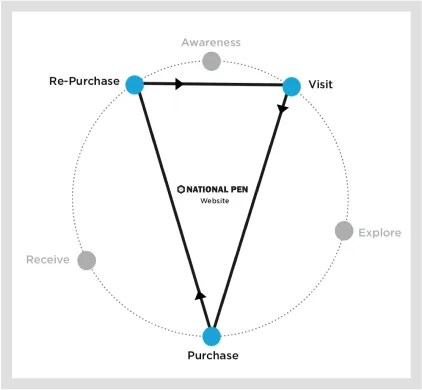
The e-commerce MVP discussion centered around technology. Leadership viewed the e-commerce channel, or the website, merely as a ‘digital’ form of the print catalog—a platform for customers to place orders. The prevailing thought with the stakeholders was, “If you build it, they will come.”
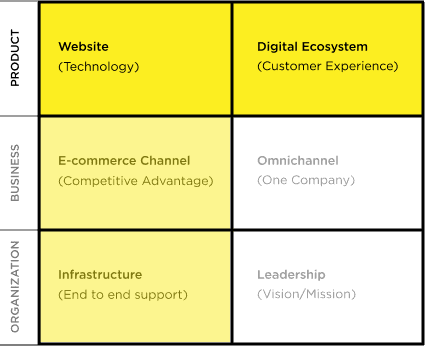
Focus On:
- Findability + Discoverability
- Feasibility + Desirability
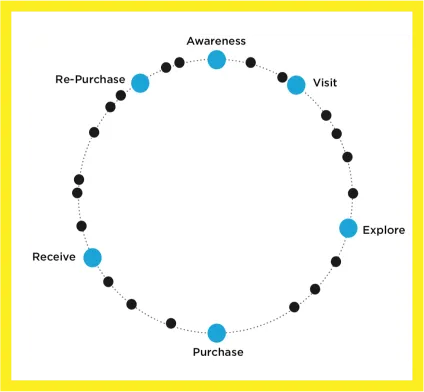
The MVP’s outcome marked a significant advancement within the organization. Stakeholders developed greater empathy for their customers and began constructing a digital ecosystem to meet customers where they are and address their needs. This prompted a reassessment of their business across all channels and operational functions.
Resilient Growth
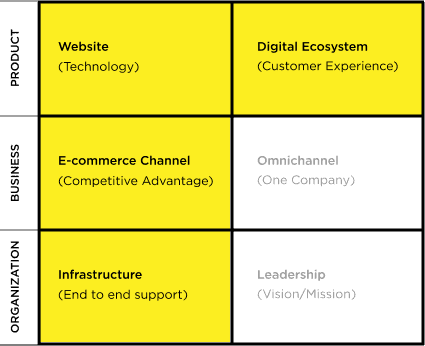
Focus On:
- Findability + Discoverability
- Feasibility + Desirability
- Viability
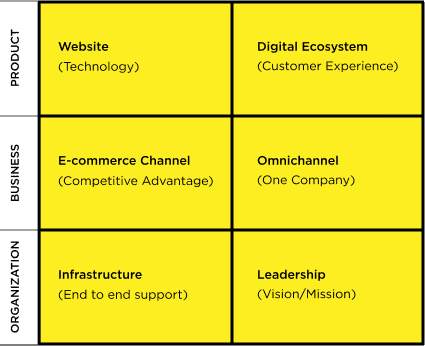
Focus On:
- Findability + Discoverability
- Feasibility + Desirability
- Viability + Resilience